1920s Makeup: A Step-by-Step Tutorial
How to get the 1920s flapper look: pale skin, dark kohl eyes, thin brows and a small red lip. Then see the look on your own face.
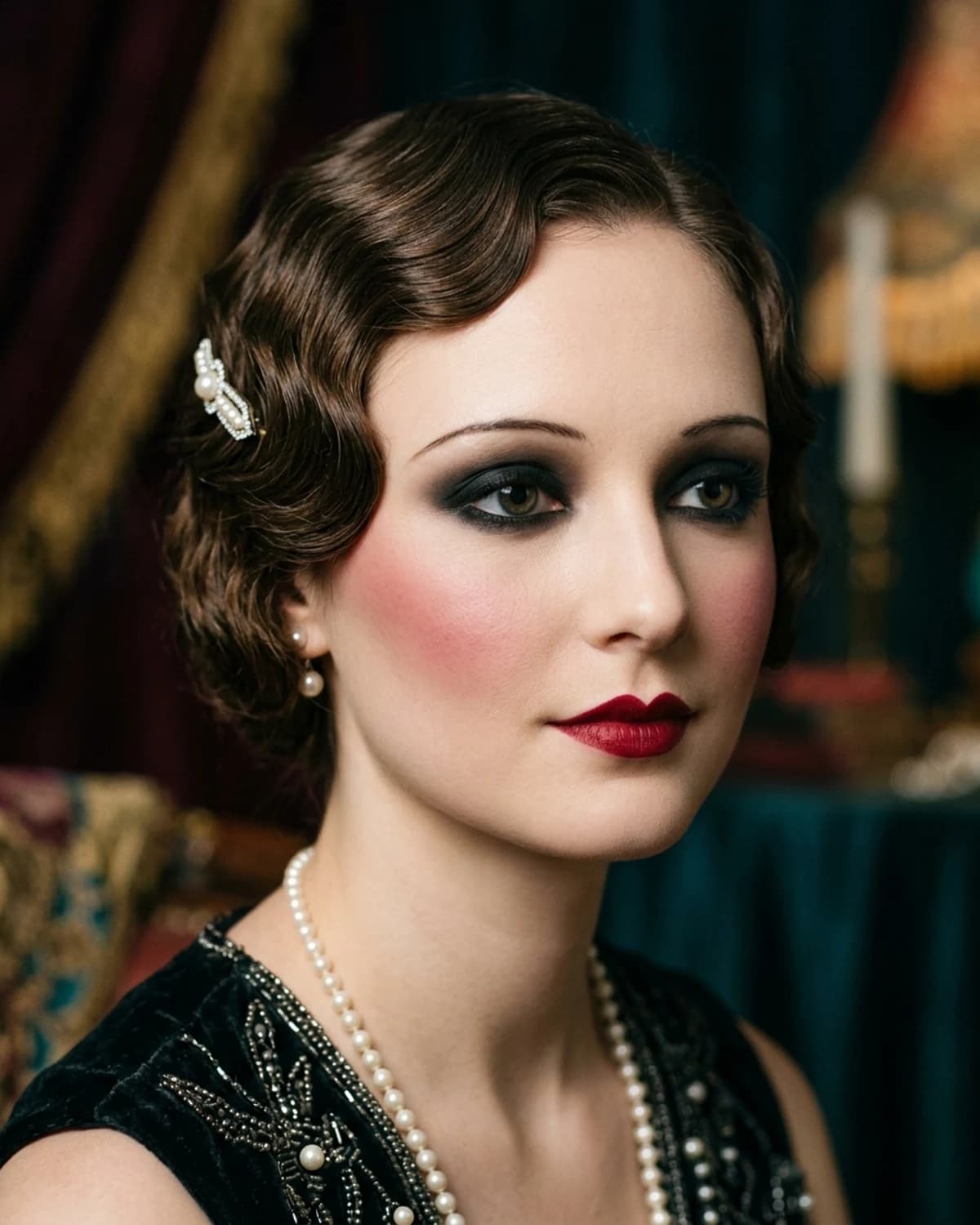
In the 1920s, women started wearing bold makeup out in the open for the first time. The Roaring Twenties flapper look is easy to spot: pale matte skin, dark smoky eyes, thin brows, round rosy cheeks, and a small deep-red lip. You have seen it on Clara Bow, Louise Brooks, and in The Great Gatsby.
It only takes five steps, and you do not need any special products. Here is how to do 1920s makeup step by step, and you can preview the whole flapper look on your own face before you start.
What you'll need
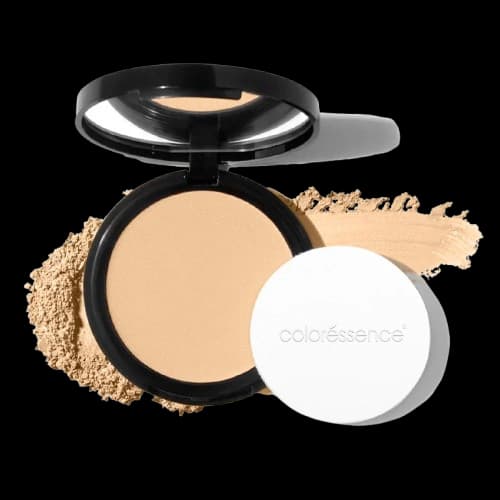
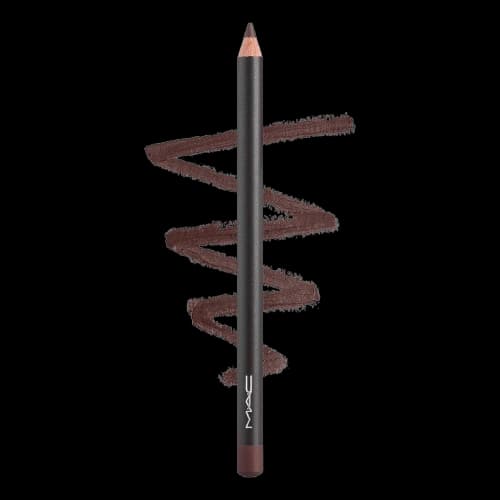
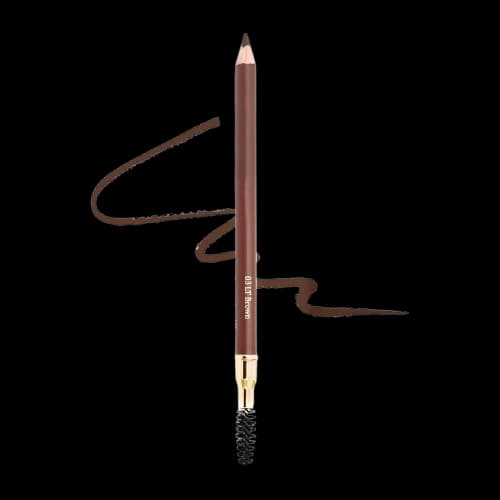
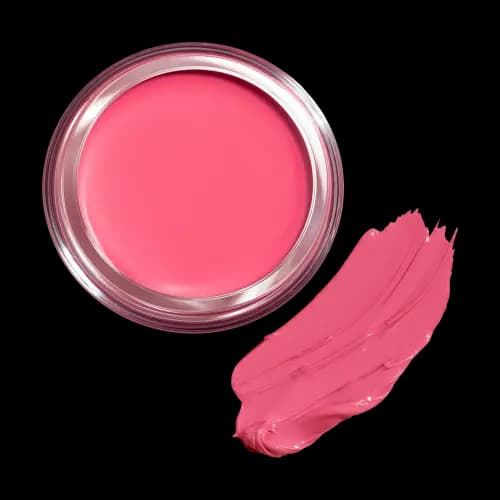
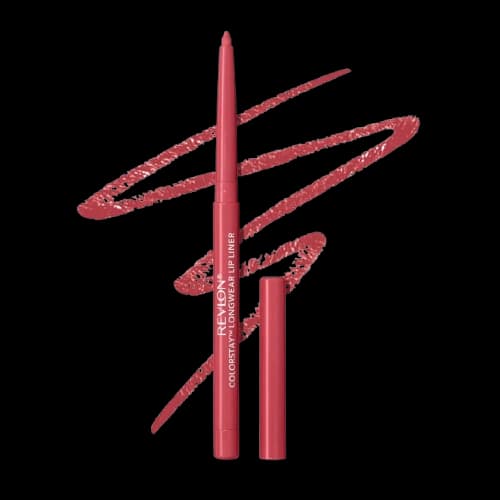
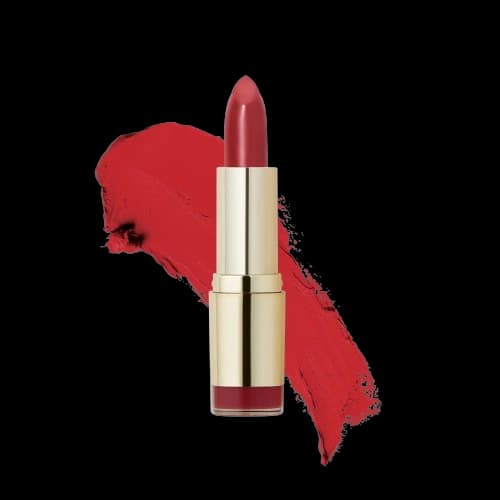
No specific brands needed. Any version of each works.
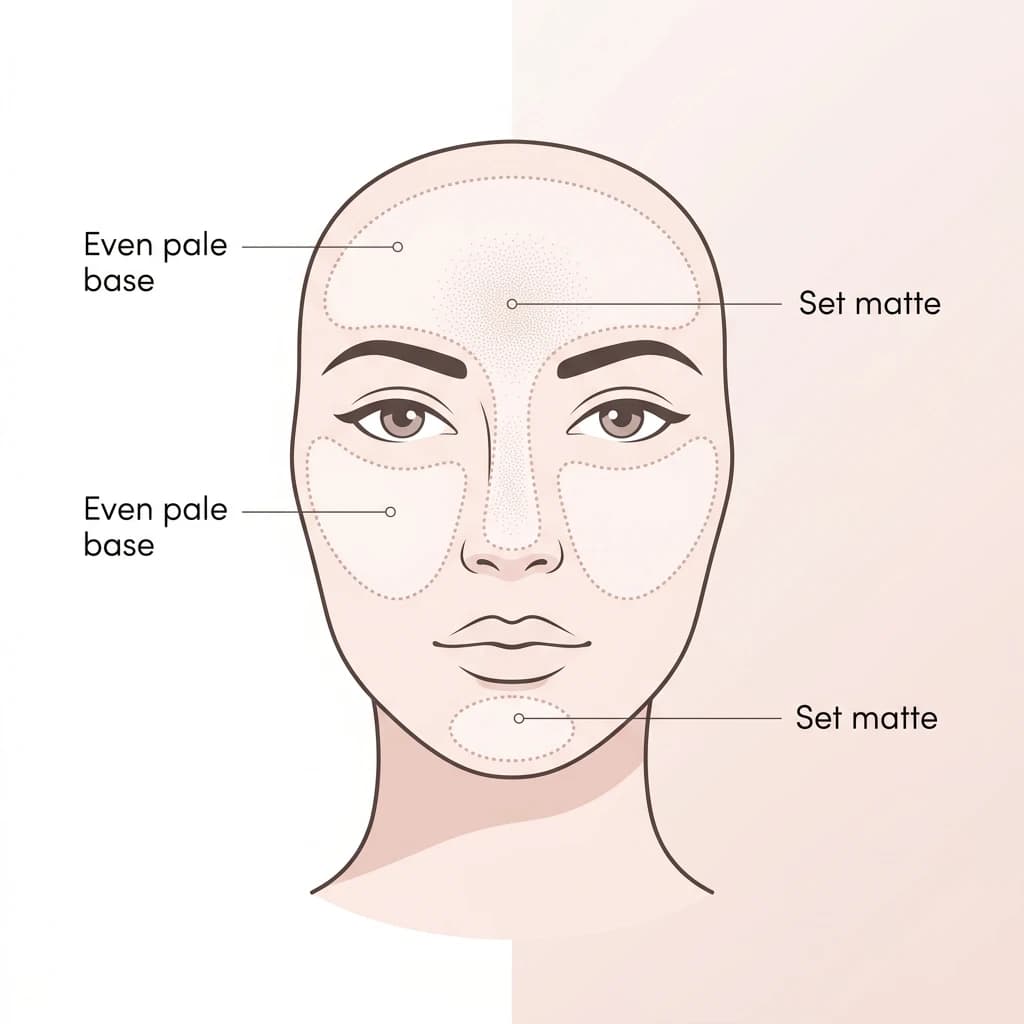
1. Create a pale, matte porcelain base
In the 1920s, pale skin was the goal, so skip any bronzer or warmth and reach for a base one shade lighter than your usual if you have it. Even out your whole face with a light, cool-toned foundation, pressing it in with a damp sponge or your fingers so it melts into the skin. Keep the finish flat and matte rather than dewy, since the era was all about a powdered, almost porcelain look.
Set everything with a translucent powder, dusting a little extra over your T-zone where shine shows up first. You want a smooth, even surface with no glow, because this plain canvas is exactly what makes the dark eyes and red lips pop the way they do in old photographs.
Tip: If your skin is very dry, powder can look patchy, so hydrate well first and use only a light dusting where you actually get shine.
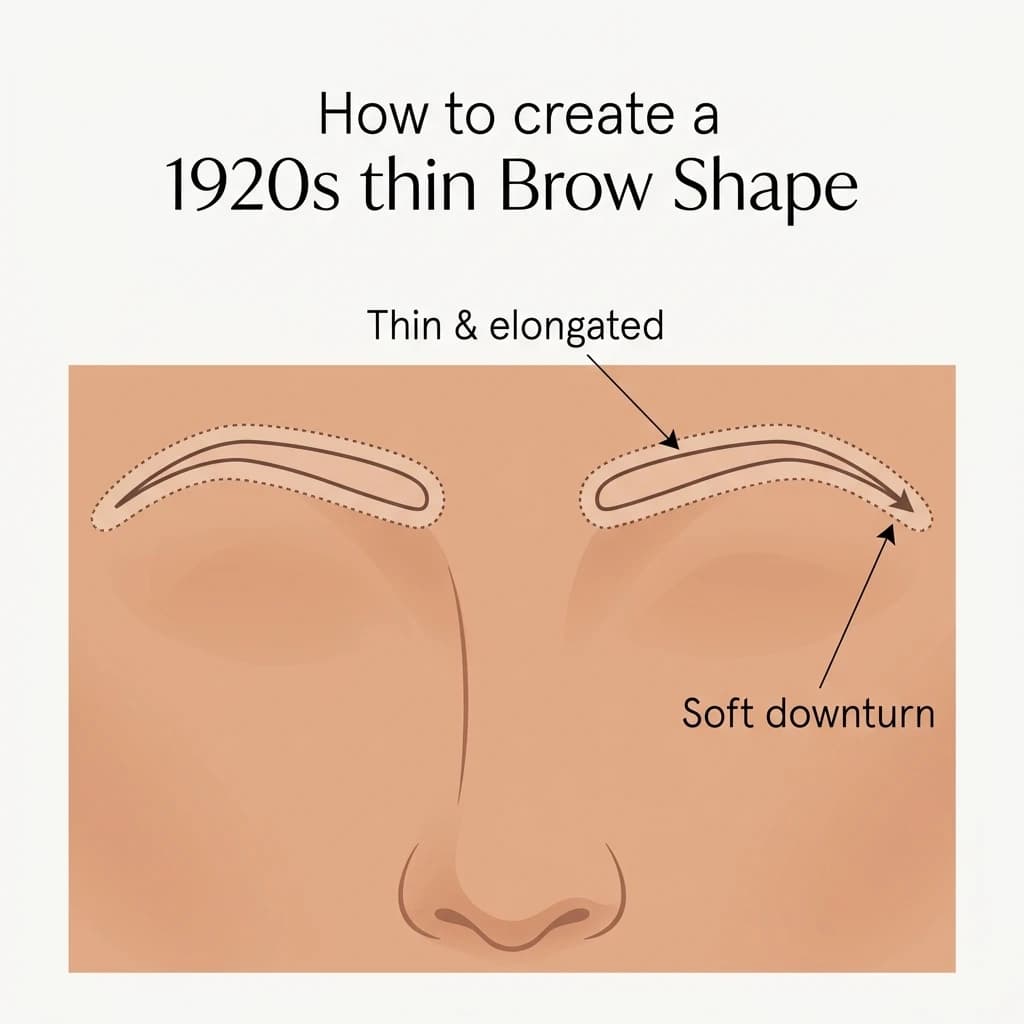
2. Draw thin, softly downturned brows
The 1920s brow was very thin and drawn with a gentle downward curve at the ends, which is the opposite of today's bold, lifted shape. You do not need to pluck your brows to get it, so start by brushing them down flat and covering the top edge lightly with a bit of concealer to fake a thinner shape.
With a sharp brow pencil, draw a slim line that follows your natural brow but extends a little past the tail and dips softly downward. Keep the pressure light and the line thin, building up slowly, because a heavy hand here reads as drawn-on rather than delicate and vintage.
Tip: Set the shape with a clear brow gel so the downward angle holds all day instead of your natural hairs pushing back up.
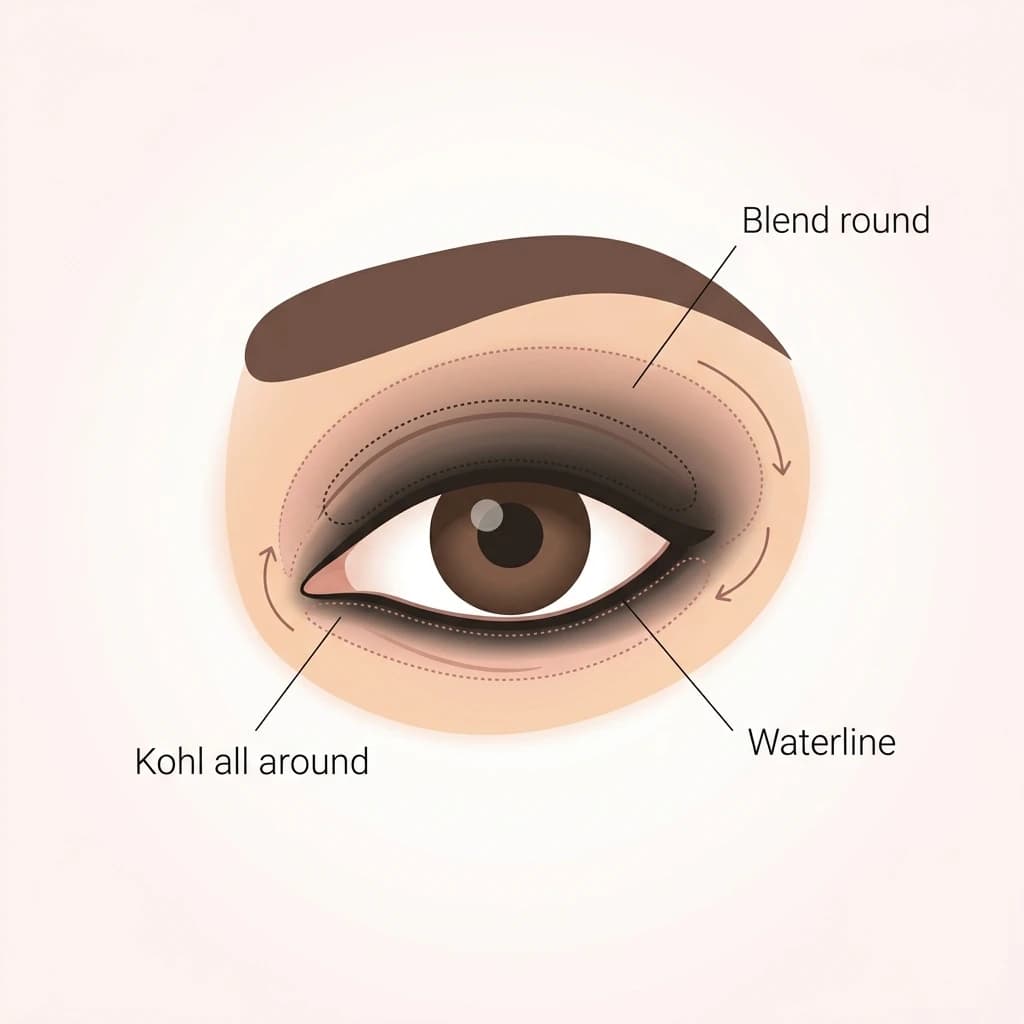
3. Smoke dark kohl all the way around the eye
The eyes are the heart of a 1920s look, and the key is that they are round and smoky rather than winged. Line your upper and lower lash lines with a soft black or deep brown kohl pencil, and run a little along your inner rims, or waterline, to close the whole eye in with dark color.
Now take a small brush and smudge that liner up and outward into a soft, rounded haze, adding a touch of dark shadow through the crease to deepen it. Keep the edges blurry instead of sharp, because a diffused, round shape is what gives that heavy-lidded, doe-eyed look you see in silent-film stars.
Tip: Work in small circles and build slowly, since it is much easier to add more smoke than to clean up a harsh line you smudged too far.
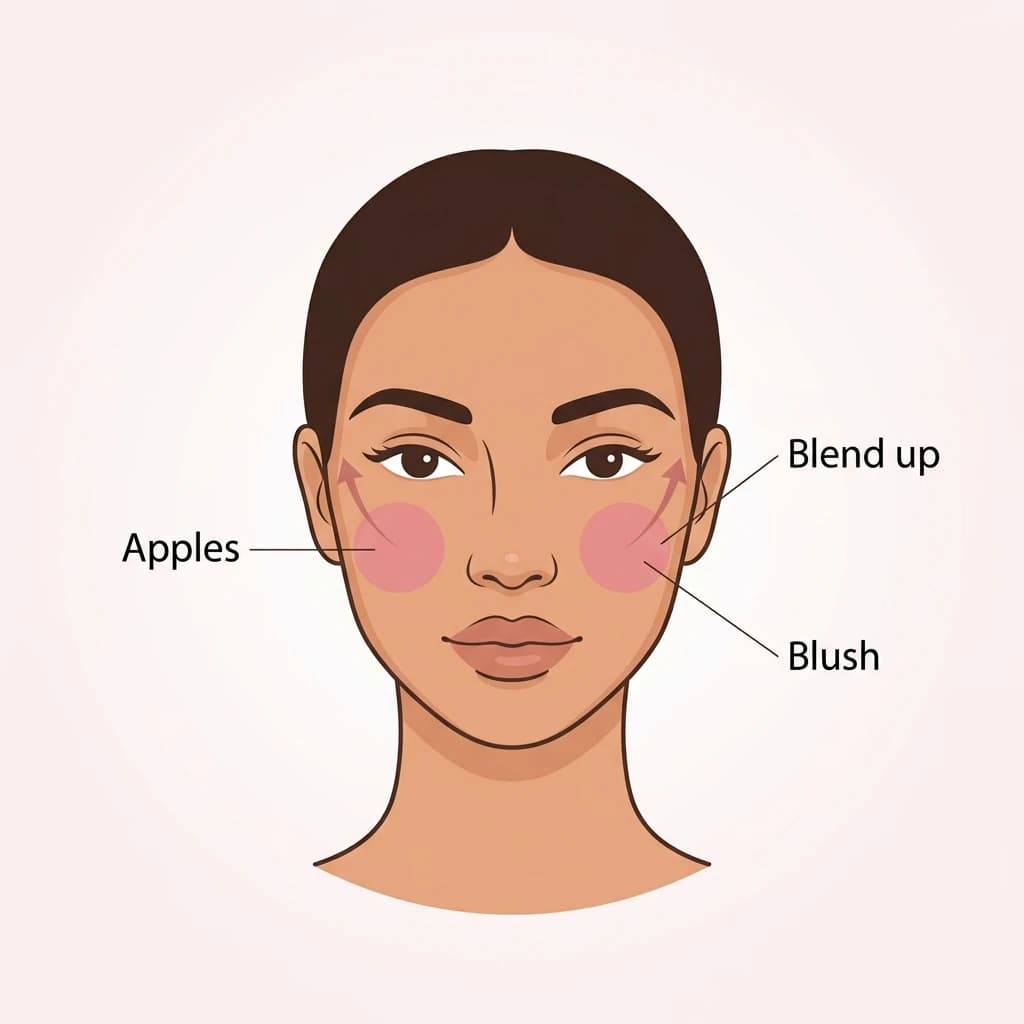
4. Add a round flush of cream rouge
Rouge in the 1920s sat right on the apples of the cheeks in a soft, round shape, so smile to find the fullest part and place the color there. A cream blush works best over a matte base because you can press it in with your fingertips for a natural, flushed finish that looks like it comes from within.
Tap on a little at a time and blend the edges just enough to soften them, keeping the color round rather than sweeping it back like a modern contour. Aim for a warm, healthy flush in a rose or soft red, since bright, obvious rouge was very much part of the look.
Tip: Build the color in thin layers. Cream blush is easy to overdo, and it is hard to tone down once it is on the powdered skin underneath.
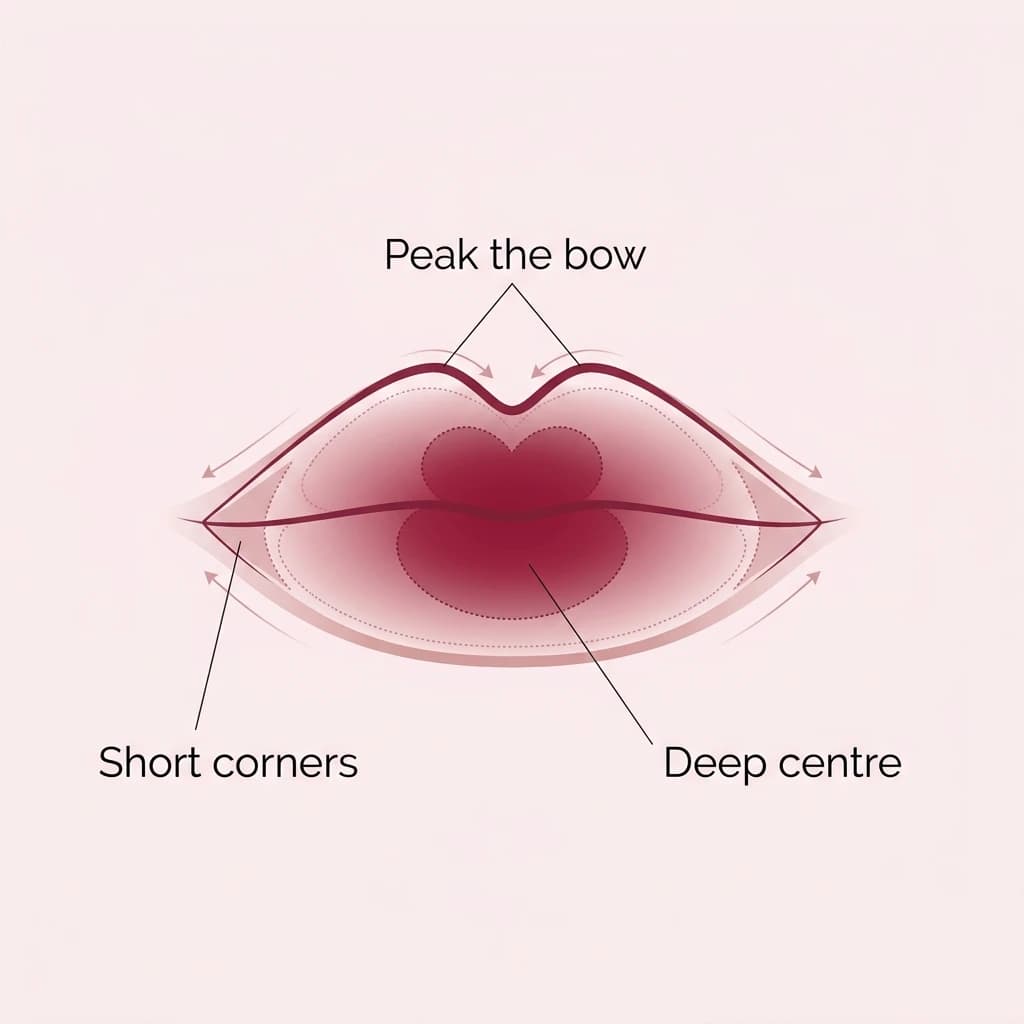
5. Paint the iconic Cupid's-bow lip
This is the signature 1920s lip, small and heart-shaped, so the trick is to draw a shape rather than just follow your natural lips. Using a red lip liner, draw just inside your natural line at the outer corners and exaggerate the two peaks of your cupid's bow at the top so the mouth looks pinched and pouty.
Fill in the center with a deep red or berry lipstick and leave the very corners bare, which is what creates that small, rosebud shape. Blot with a tissue and add a second layer so the color sinks in for a rich, matte, long-lasting stain like the ones in vintage portraits.
Tip: If the shape looks uneven, tidy the edges with a little concealer on a small brush. A clean outline is what sells this lip.
See the look on your own face
Upload a selfie and preview this look on yourself with AI before you recreate it.

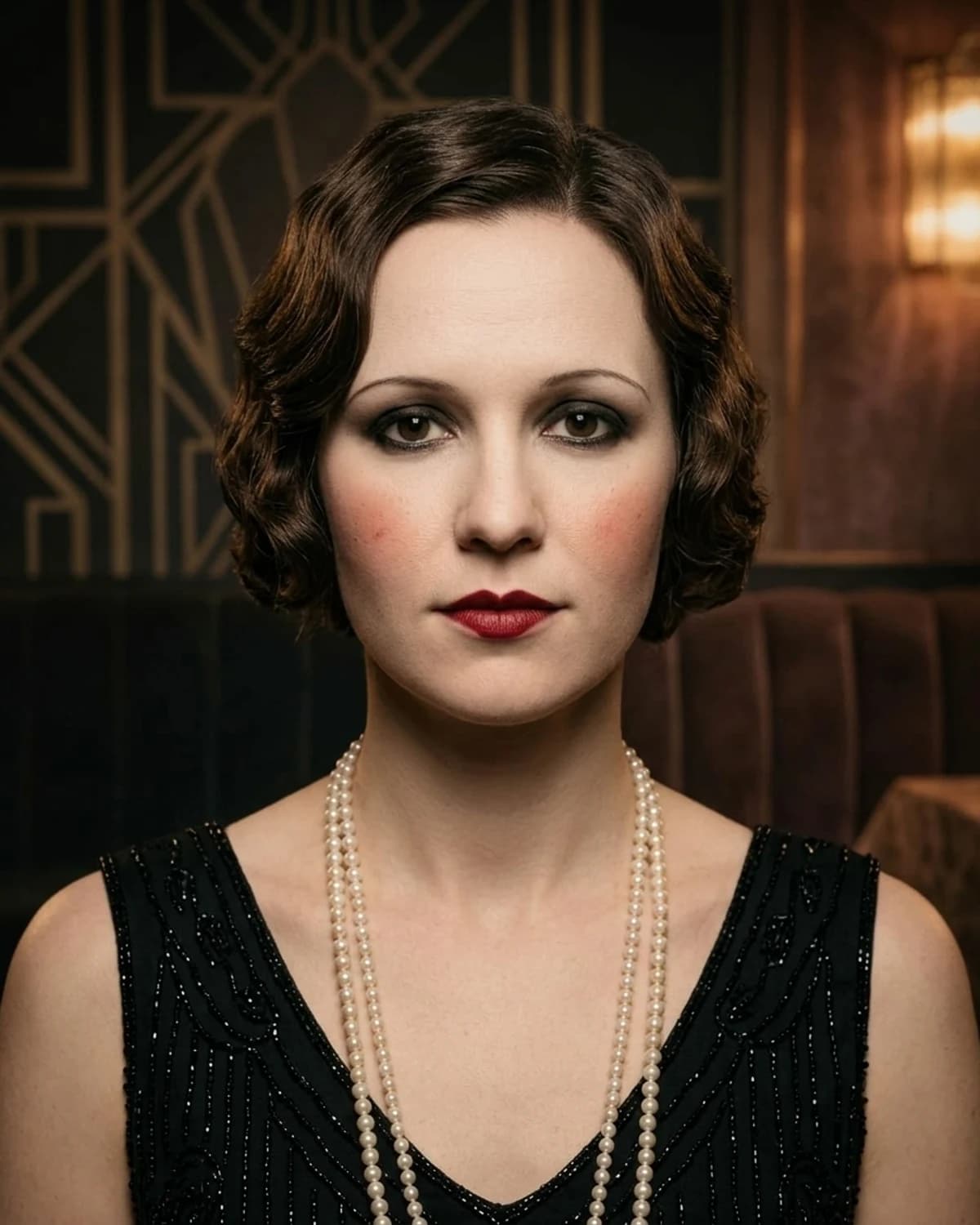
Drag to see the full makeover
Frequently asked questions
What makeup did they wear in the 1920s?+
The classic 1920s look had pale, matte skin (no bronzer or tan), thin, softly downturned brows, dark kohl-rimmed eyes smoked all the way around, a round flush of cream rouge on the apples of the cheeks, and a small, deep-red Cupid's-bow lip. It was bold and dramatic, a big change from the barely-there makeup before it.
How do you do 1920s eye makeup?+
Smudge a dark, sooty kohl all the way around your eye, along the upper and lower lash lines and the waterline, then blend it up and out into a soft, round shape. The key is that it is round, not winged, which gives that deep, doe-eyed 1920s look.
What lipstick shade is best for a '20s flapper look?+
Deep reds, berries and plums are the most authentic. Draw the color small, just inside your natural corners with a pronounced Cupid's bow, and keep it in the center so your lips look small and heart-shaped.
Is 1920s makeup the same as Great Gatsby makeup?+
Basically, yes. Great Gatsby makeup means the same Roaring Twenties flapper look: pale skin, dark round eyes, thin brows and a bold Cupid's-bow lip.
How can I try the 1920s look on my own face?+
Tap any try this look on your face button on this page to upload a selfie and preview the full flapper look on yourself before you recreate it.